
How Is a Silk Screen Printed Flannel Blanket Made?
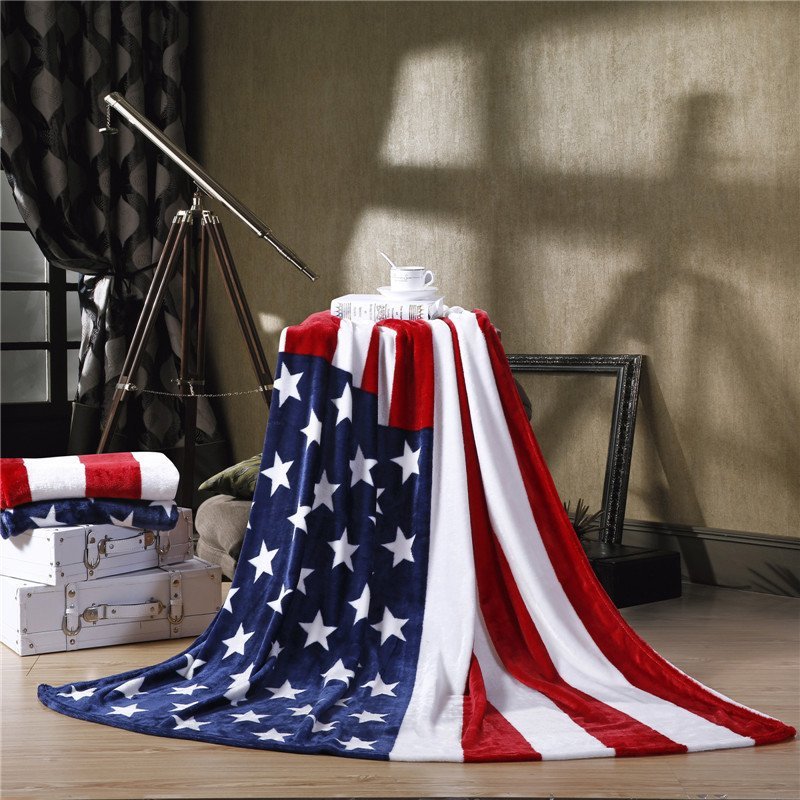
Silk screen printing (also called screen printing) is a popular method for adding custom designs, logos, and patterns to flannel fleece blankets. The process combines soft polyester fabric production with a specialized printing technique to create colorful, durable blanket designs.
1. Fabric Selection & Blanket Preparation
The process starts with high-quality flannel fleece fabric, usually made from 100% polyester microfiber. The fabric is chosen for its:
- Soft and plush hand feel
- Lightweight warmth
- Smooth surface for printing
- Good color absorption
- Easy care and durability
The flannel fabric is cut into blanket panels or kept as rolls before printing.
2. Fabric Surface Treatment
Before printing, the blanket surface is cleaned and prepared to ensure good ink adhesion.
Common preparation steps include:
- Removing dust and loose fibers
- Brushing or shearing the surface to create an even texture
- Heat setting to stabilize the fabric size
For premium blankets, the fleece surface may be brushed several times to achieve a softer finish.
3. Creating the Printing Screen
A separate screen is made for each color in the design.
The process includes:
- Creating the artwork digitally
- Separating the design into individual colors
- Applying photosensitive emulsion to a mesh screen
- Exposing the screen with UV light
- Washing away the unexposed areas to create the printing pattern
The finished screen works like a stencil, allowing ink to pass through only the design areas.
4. Applying Ink Through the Screen
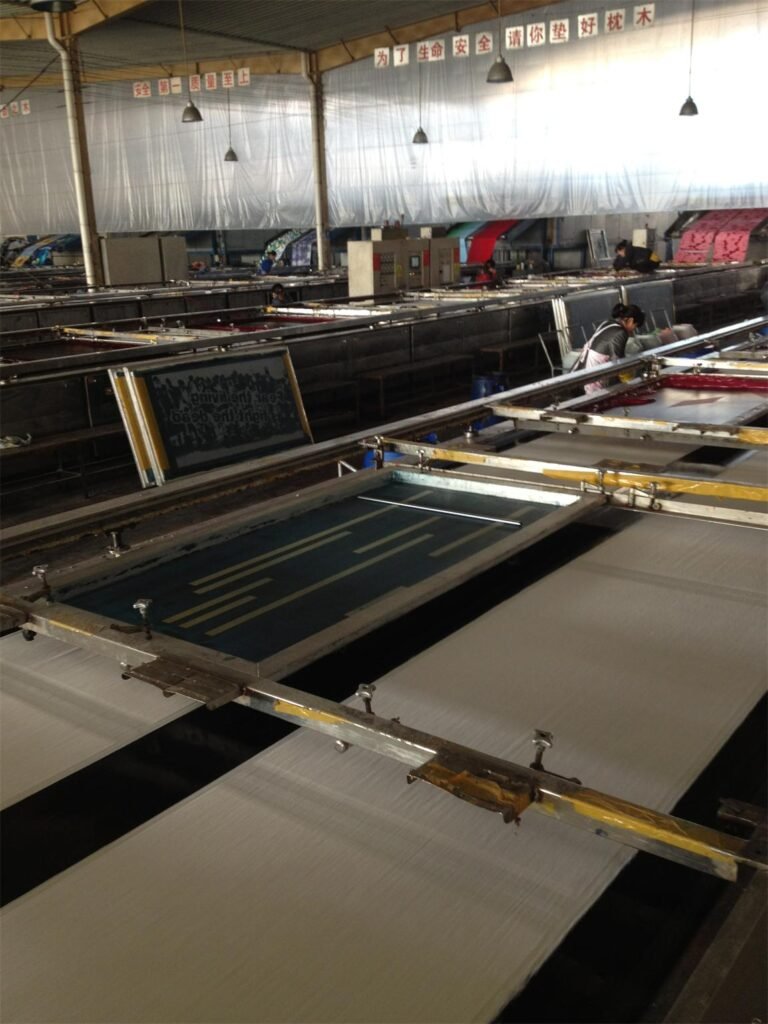
The flannel blanket is placed flat on a printing table or automatic printing machine.
During printing:
- The screen is positioned above the blanket
- Ink is poured onto the screen
- A rubber squeegee pushes the ink through the mesh
- The design transfers onto the fabric surface
Each color requires a separate screen and printing process.
For example:
- A 3-color logo requires 3 printing screens
- A complex pattern may require 6–10 screens
5. Drying and Heat Curing
After printing, the blanket passes through a drying oven or heat tunnel.
The curing process:
- Dries the ink completely
- Bonds the ink with polyester fibers
- Improves washing resistance
- Prevents cracking or peeling
Typical curing temperatures are controlled according to the ink type, usually around 130–160°C.
6. Brushing & Finishing
After printing, the blanket goes through finishing processes:
- Softening treatment
- Anti-pilling treatment
- Edge trimming
- Sewing or overlock stitching
- Quality inspection
The goal is to maintain the soft flannel feel while keeping the printed design clear.
7. Cutting, Sewing & Packaging
The final steps include:
- Cutting blankets to required sizes
- Sewing edges (overlock, binding, or hemmed finish)
- Folding and inspection
- Packing into bags or cartons
Common sizes include:
- Baby blanket: 30″ × 40″
- Throw blanket: 50″ × 60″
- Twin blanket: 60″ × 90″
- Custom sizes for brands and retailers
Advantages of Silk Screen Printed Flannel Blankets
✔ Bright and Durable Designs
Screen printing creates strong colors that remain attractive after repeated washing.
✔ Cost-Effective for Large Orders
It is ideal for bulk production because printing costs decrease with higher quantities.
✔ Soft Blanket Feel
The printing process only affects the surface, allowing the blanket to remain soft and comfortable.
✔ Custom Branding
Perfect for:
- Promotional blankets
- Sports team blankets
- Baby blankets
- Holiday blankets
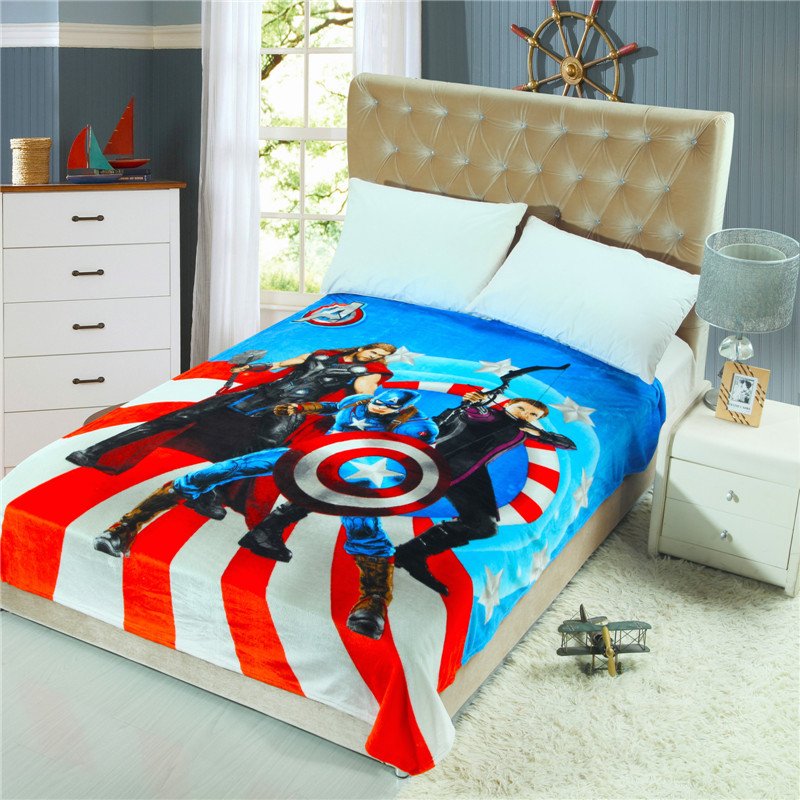
- Licensed character products